
Introduction
Across the UAE’s construction, quarrying, mining, transportation, and infrastructure sectors, heavy equipment plays a vital role in maintaining productivity and project efficiency. Whether operating excavators, wheel loaders, bulldozers, dump trucks, or other machinery, equipment performance depends heavily on the condition of its transmission system.
The transmission system is responsible for transferring power from the engine to the wheels or tracks, enabling machinery to operate efficiently under varying workloads and operating conditions. When transmission components begin to wear or fail, machine productivity, fuel efficiency, and reliability can be significantly affected.
Understanding common transmission problems and using quality transmission parts can help equipment owners reduce downtime, control maintenance costs, and maximize equipment performance.
Understanding the Role of Transmission Systems in Heavy Equipment
What Is a Heavy Equipment Transmission System?
A transmission system controls how power generated by the engine is delivered to the machine’s drivetrain. It allows equipment to operate efficiently at different speeds and load conditions while maintaining optimal performance.
Key Components of a Transmission System
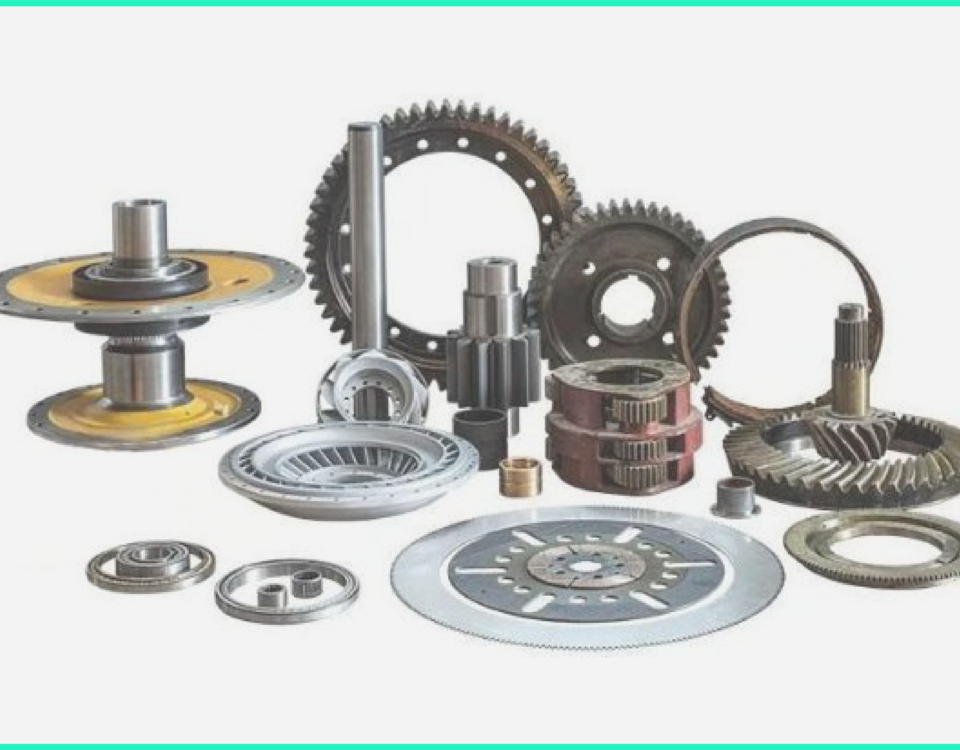
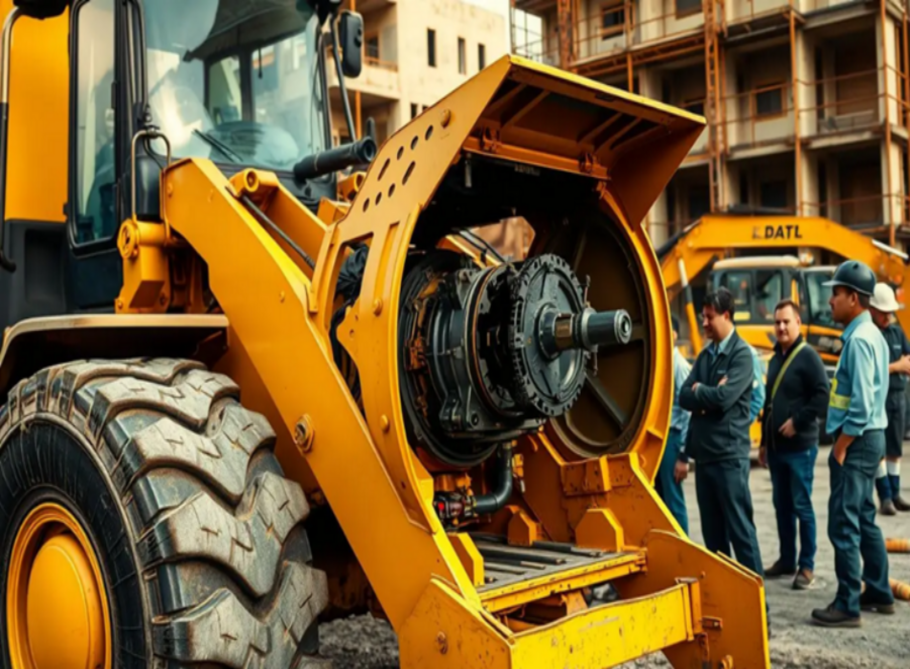
Heavy equipment transmission systems typically include:
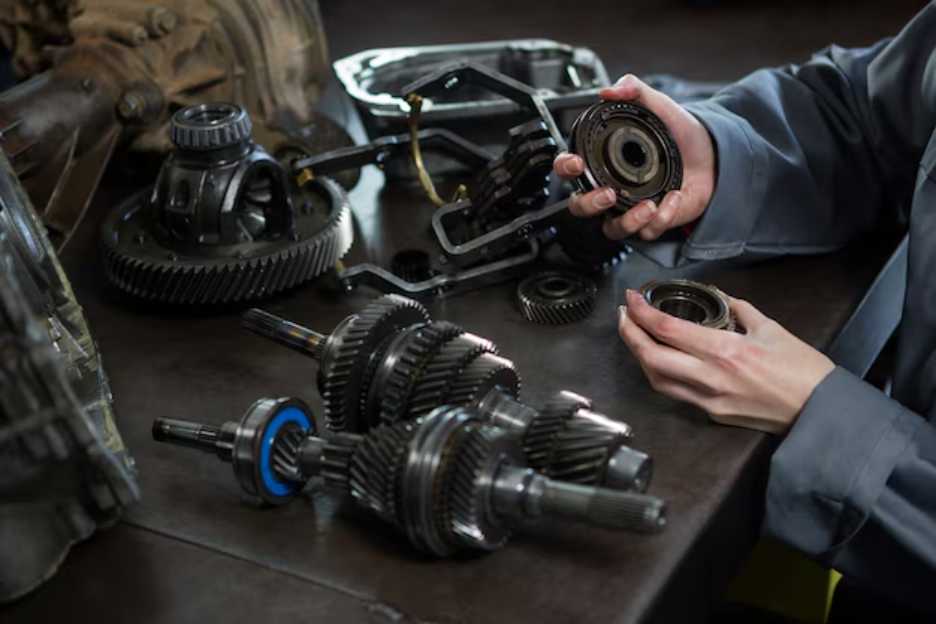
- Gears and gear assemblies
- Clutches and clutch packs
- Torque converters
- Bearings
- Hydraulic control valves
- Seals and gaskets
- Electronic sensors and control modules
Each component plays a critical role in ensuring smooth power transfer and efficient machine operation.
Why Transmission Performance Matters
A properly functioning transmission system helps:
- Maximize machine productivity
- Improve fuel efficiency
- Reduce component wear
- Minimize downtime
- Enhance overall equipment reliability
Common Transmission System Issues in Heavy Equipment
Contaminated Transmission Fluid: Transmission fluid contamination is one of the most common causes of transmission failure. Dirt, dust, water, and metal particles can reduce lubrication effectiveness and accelerate wear on internal components.
Overheating: Heavy equipment operating under high loads or in hot environments may experience transmission overheating. Excessive heat can damage seals, clutch packs, and bearings while reducing fluid performance.
Worn Gears and Bearings: Continuous operation places significant stress on gears and bearings. Over time, these components may wear, resulting in noise, vibration, and reduced transmission efficiency.
Torque Converter Failures: The torque converter plays an essential role in power transfer. When damaged, it can cause reduced pulling power, poor acceleration, overheating, and increased fuel consumption.
Hydraulic Control Problems: Hydraulic transmission systems rely on proper fluid pressure. Internal leaks, faulty valves, or worn hydraulic components can lead to shifting issues and reduced machine performance.
Electronic and Sensor Malfunctions: Modern heavy equipment transmissions use electronic controls and sensors to manage shifting and operating parameters. Sensor failures may trigger warning lights, fault codes, or inconsistent transmission performance.
How Transmission Problems Affect Equipment Performance
Reduced Power Transfer Efficiency: When transmission components become worn or damaged, power transfer between the engine and drivetrain becomes less efficient, reducing machine performance.
Increased Fuel Consumption: Transmission inefficiencies force equipment to work harder to achieve the same output, often leading to increased fuel usage.
Lower Productivity: Machines experiencing transmission issues may struggle to maintain operating speeds or handle heavy loads, affecting overall productivity.
Equipment Downtime: Unexpected transmission failures frequently result in costly downtime while repairs are completed and replacement parts are sourced.
Accelerated Wear on Related Components: Transmission problems can place additional stress on drivetrain components, increasing wear on axles, final drives, and other related systems.
Signs of Heavy Equipment Transmission Failure
Early detection of transmission issues can help prevent costly repairs and extended downtime.
Common warning signs include:
- Unusual grinding or whining noises
- Difficulty shifting gears
- Delayed machine response
- Transmission fluid leaks
- Overheating
- Loss of pulling power
- Increased vibration
- Dashboard warning lights
- Diagnostic fault codes
Regular inspections can help identify these issues before they lead to major failures.
Transmission Challenges in UAE Operating Conditions
Heavy equipment operating throughout the UAE often faces demanding environmental conditions that can accelerate transmission wear.
These challenges include:
- High ambient temperatures
- Fine sand and dust contamination
- Continuous operation in construction projects
- Quarry and aggregate production environments
- Heavy-duty transport and material handling applications
Because of these conditions, preventive maintenance and high-quality replacement parts are essential for maintaining equipment reliability and minimizing downtime.
The Connection Between Drivetrain Issues and Transmission Health
The transmission system is closely connected to the drivetrain. Problems within the transmission can affect:
- Final drives
- Differentials
- Axles
- Drive shafts
- Wheel and track performance
When transmission efficiency declines, additional strain may be placed on other drivetrain components, increasing repair costs and reducing machine reliability.
Regular inspections of both transmission and drivetrain systems can help prevent costly failures.
The Importance of High-Quality Transmission Parts
Using quality replacement components is critical for maintaining equipment performance and reliability.
Benefits of quality transmission parts include:
- Improved durability
- Better performance under heavy loads
- Reduced risk of premature failure
- Longer service life
- Lower maintenance costs
- Improved machine reliability
Selecting properly engineered components helps ensure compatibility and dependable operation in demanding environments.
Preventive Maintenance Strategies for Transmission Systems
- Inspect Transmission Fluid Regularly: Monitor fluid condition and contamination levels to help identify potential problems early.
- Follow Scheduled Maintenance Intervals: Routine servicing helps maintain transmission performance and extend component life.
- Monitor Operating Temperatures: Excessive temperatures can significantly shorten transmission life. Monitoring operating temperatures helps identify cooling system issues before damage occurs.
- Train Equipment Operators:Proper operating techniques can reduce unnecessary stress on transmission components and improve equipment longevity.
- Replace Worn Components Promptly: Addressing wear before failure occurs can help prevent more extensive damage and reduce repair costs.
Why Industry Professionals Trust Super Parts
Super Parts is a trusted supplier of heavy equipment spare parts serving customers throughout the UAE and GCC region.
The company supplies high-quality transmission, drivetrain, and powertrain aftermarket non genuine components suitable for leading equipment brands, including CAT®, Komatsu®, Volvo®, JCB®, Hitachi®, Hyundai®, and Doosan® machines.
Customers choose Super Parts for:
- Extensive inventory availability
- Genuine and premium aftermarket parts
- Warranty-backed aftermarket components on selected product lines
- Fast delivery across the UAE
- Technical parts identification support
- Competitive pricing
- Reliable sourcing from trusted global manufacturers
- Support for CAT®, Komatsu®, Volvo®, JCB®, Hitachi®, Hyundai®, Doosan® and other major brands
By helping customers quickly identify and obtain the correct replacement components, Super Parts supports equipment reliability and reduced downtime.
Warranty Support for Aftermarket Transmission Parts
Many equipment owners assume that only genuine OEM parts can provide reliable performance. However, high-quality aftermarket transmission components sourced from reputable manufacturers can offer excellent durability and value.
At Super Parts, selected aftermarket transmission parts are supplied with warranty coverage, providing customers with additional confidence when maintaining or repairing their equipment. Combined with strict supplier selection and quality control standards, warranty-backed components help reduce operational risks while delivering cost-effective maintenance solutions.
Whether customers choose genuine or aftermarket transmission parts, Super Parts is committed to supplying dependable products that meet the performance requirements of demanding construction, quarrying, transportation, and industrial applications throughout the UAE.
Conclusion
Transmission systems play a critical role in heavy equipment performance, productivity, and reliability. Problems such as contamination, overheating, worn gears, and hydraulic failures can significantly affect machine operation and increase maintenance costs.
Through regular inspections, preventive maintenance, and the use of quality transmission parts, equipment owners can reduce downtime, improve efficiency, and extend equipment service life.
Looking for reliable transmission parts in the UAE? Super Parts supplies high-quality transmission, gearbox, and drivetrain components for a wide range of heavy equipment brands, helping businesses keep their machines operating at peak performance. Contact us today to discuss your requirements and find the right transmission solutions for your equipment.
FAQ
1. What are transmission parts in heavy equipment?
Transmission parts are components that transfer power from the engine to the drivetrain, enabling the machine to move and operate efficiently.
2. What causes transmission failure in heavy equipment?
Common causes include contaminated fluid, overheating, worn gears, bearing failures, hydraulic issues, and inadequate maintenance.
3. How can I tell if my transmission needs repair?
Warning signs include unusual noises, difficulty shifting, overheating, fluid leaks, reduced power, and diagnostic fault codes.
4. Can transmission problems increase fuel consumption?
Yes. Inefficient power transfer can force equipment to work harder, resulting in higher fuel usage.
5. Why should I use quality transmission parts?
High-quality parts help improve reliability, reduce downtime, extend service life, and support consistent equipment performance.