
Introduction
Reliable spare parts are essential for keeping heavy equipment operating efficiently and minimizing costly downtime. Across the UAE’s construction, mining, quarrying, and infrastructure sectors, fleet owners and procurement managers depend on a consistent supply of replacement components to maintain the performance of excavators, wheel loaders, bulldozers, dump trucks, and other machinery. As a result, aftermarket heavy equipment spare parts have become a widely adopted solution due to their availability, value, and compatibility with a broad range of equipment models.
With numerous aftermarket suppliers and manufacturers serving the market, selecting the right parts supplier is key to ensuring consistent quality and dependable equipment performance. This guide explains what aftermarket spare parts are, why they are widely used across the industry, and the factors buyers should consider when choosing reliable replacement components for their equipment.
Understanding Aftermarket Heavy Equipment Parts
What Are Aftermarket Spare Parts?
Aftermarket spare parts are components manufactured by companies other than the original equipment brand, designed to fit and function in the same machines. These parts are produced to match the specifications, dimensions, and performance requirements of the equipment they’re built for, covering everything from engine components to hydraulic seals and undercarriage parts.
How Aftermarket Parts Are Designed and Manufactured
Aftermarket manufacturers reverse-engineer or independently design components based on detailed measurements, material analysis, and performance benchmarks of the original part. Many manufacturers use the same grade of raw materials and similar production processes, including precision machining, heat treatment, and quality testing, to ensure the finished part meets the operational demands of heavy machinery.
Common Misconceptions About Aftermarket Parts
A common misconception is that aftermarket automatically means lower quality. In reality, quality varies significantly between manufacturers – just as it does across any industry. The key is sourcing from suppliers who maintain consistent quality control, proper material standards, and testing protocols. Buyers who understand this distinction can confidently choose aftermarket parts that perform reliably across demanding applications.
Why Buyers Choose Aftermarket Machine Spare Parts
Cost Efficiency Without Compromising Performance
One of the most significant advantages of aftermarket parts is cost. Because aftermarket manufacturers don’t carry the overhead and branding costs associated with original equipment channels, parts are typically available at a fraction of the price – often without any meaningful compromise in performance when sourced correctly.
Wider Availability and Faster Lead Times
Aftermarket parts are produced by multiple manufacturers across global supply chains, which means stock is generally easier to source and lead times are shorter. For procurement managers managing multiple machines and unpredictable breakdowns, this availability translates directly into reduced downtime.
Compatibility Across Multiple Equipment Brands
Many aftermarket manufacturers produce parts that are compatible across a range of equipment brands, including CAT®, Komatsu®, Volvo®, JCB®, Hitachi®, Hyundai®, and Doosan® machines. This flexibility simplifies inventory management for fleets that operate mixed-brand equipment.
Key Factors for Identifying Reliable Aftermarket Spare Parts for Heavy Machinery
Manufacturer Reputation and Sourcing Standards
Not all aftermarket manufacturers operate to the same standard. Reliable suppliers source from manufacturers with an established track record, consistent production quality, and a history of supplying parts that perform well in real-world operating conditions. Asking suppliers about their sourcing relationships is a useful first step in evaluating reliability.
Material Quality and Engineering Tolerances
The materials used in a part – whether it’s a hydraulic seal, bearing, or gear – directly affect its durability. Reliable aftermarket parts are manufactured to tight engineering tolerances, ensuring proper fitment and reducing the risk of premature wear. Buyers should look for suppliers who can speak knowledgeably about the materials and specifications behind their products.
Certifications and Quality Testing
While not every aftermarket part will carry formal certifications, reputable manufacturers often follow recognized quality management standards and conduct testing before parts reach the market. Suppliers who can provide information about testing processes or quality assurance practices generally indicate a higher level of reliability.
Warranty Coverage on Aftermarket Components
Warranty support is one of the strongest indicators of confidence in an aftermarket spare part. When a supplier offers warranty coverage, it demonstrates that both the manufacturer and supplier stand behind the product’s quality, workmanship, and performance.
For procurement managers and fleet operators, warranty-backed parts help reduce purchasing risk and provide additional assurance that the component has been sourced from a reputable manufacturer with established quality standards. This is particularly important for higher-value components such as engine parts, hydraulic components, powertrain parts, and undercarriage systems, where unexpected failures can result in costly downtime and repair expenses.
A warranty should not be viewed solely as protection against defects. It also reflects the supplier’s commitment to customer support and long-term relationships. Reputable suppliers are more likely to offer technical assistance, product traceability, and after-sales support when warranty programs are in place.
When evaluating aftermarket heavy equipment spare parts, buyers should always ask about warranty coverage, claim procedures, and any conditions that apply. Suppliers who provide clear warranty terms generally demonstrate greater confidence in the reliability and performance of their products.
Categories of Heavy Equipment Spare Parts Commonly Sourced Aftermarket
Engine and Powertrain Components
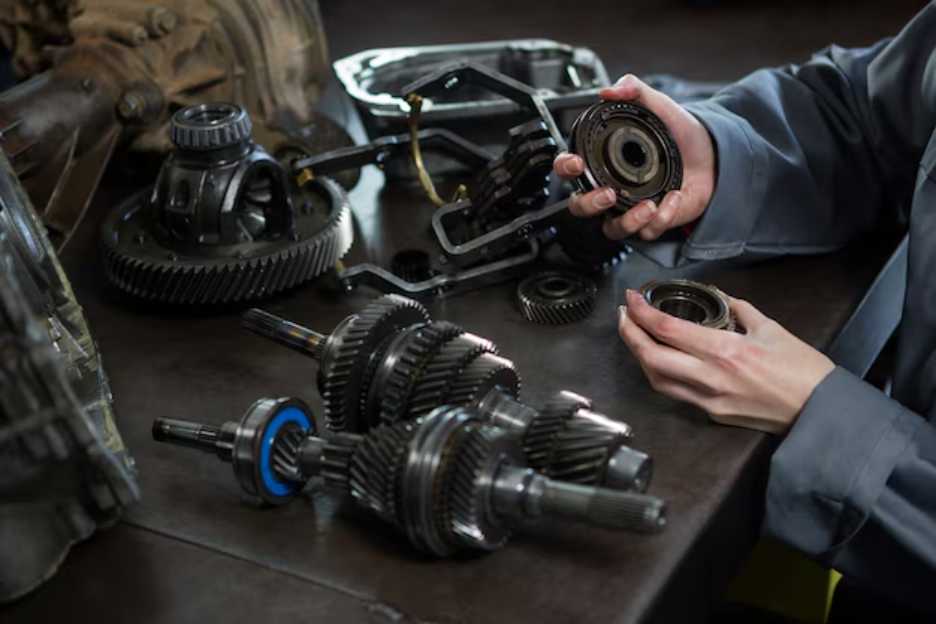
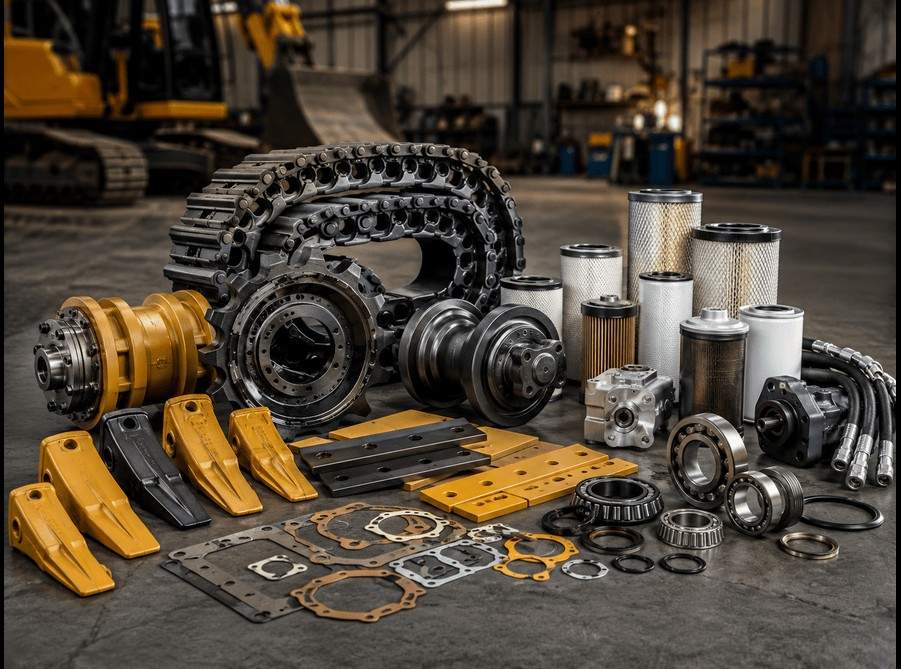
Pistons, liners, gaskets, filters, and fuel system components are among the most frequently replaced parts on heavy machinery, and aftermarket versions of these are widely available and commonly used across the industry.
Hydraulic and Undercarriage Parts
Hydraulic cylinders, pumps, hoses, seals, track rollers, idlers, and sprockets all experience heavy wear due to constant pressure and ground contact. Quality aftermarket alternatives for these parts are in high demand because of the frequency of replacement.
Filters,Seals, and Wear Parts
Filters, O-rings, seals, bushings, and other wear items are replaced on a regular maintenance cycle. Because these parts are used so frequently, sourcing reliable aftermarket versions can lead to substantial cost savings over the life of a machine.
Common Risks of Choosing Low-Quality Aftermarket Parts
Premature Failure and Increased Downtime
Parts manufactured with substandard materials or poor tolerances may fail well before their expected service life, leading to unplanned downtime and repeat purchases.
Compatibility and Fitment Issues
Parts that don’t match exact specifications can cause fitment problems, leading to improper installation, leaks, or operational inefficiencies that affect the broader system.
Hidden Long-Term Costs
While low-quality parts may appear cheaper upfront, the cost of repeated replacements, labor for reinstallation, and potential damage to surrounding components often outweighs any initial savings.
Counterfeit and Unverified Parts
Counterfeit heavy equipment parts remain a concern in many markets. These products are often manufactured using substandard materials and may not meet the dimensional or performance requirements of the original application. Common warning signs include unusually low prices, poor packaging quality, missing manufacturer information, and the absence of warranty coverage. Purchasing from established suppliers helps reduce the risk of counterfeit parts entering your operation and protects equipment reliability.
Best Practices for Procurement Managers When Sourcing Spare Parts
- Verifying Supplier Track Record: Working with suppliers who have a proven history of supplying parts across the UAE and GCC region helps reduce the risk of receiving inconsistent or unreliable products.
- Cross-Checking Part Numbers and Specifications: Before purchasing, confirm that part numbers and specifications match your equipment model exactly. This reduces the risk of fitment issues and ensures the part will perform as expected.
- Building Long-Term Supplier Relationships: Establishing relationships with trusted suppliers allows procurement teams to access consistent quality, better pricing, and faster support when urgent replacements are needed.
Why Buyers Trust Super Parts for Heavy Equipment Spare Parts
Super Parts is a trusted supplier of heavy equipment spare parts across the UAE and GCC region, with an extensive inventory built around high-quality aftermarket components for leading equipment brands, including CAT®, Komatsu®, Volvo®, JCB®, Hitachi®, Hyundai®, and Doosan® machines.
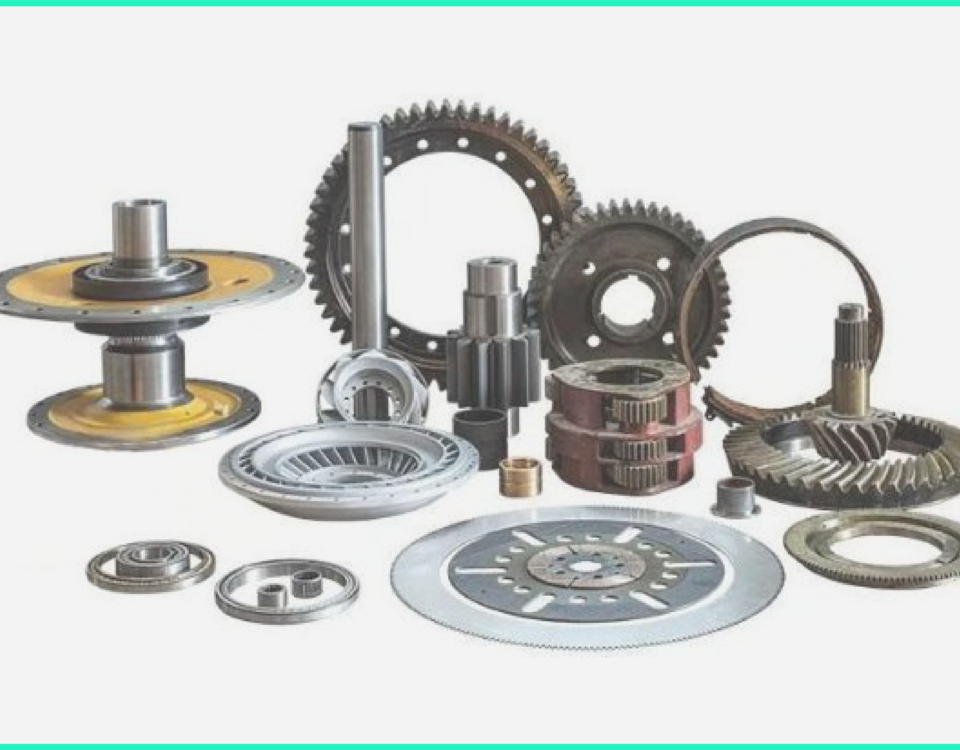
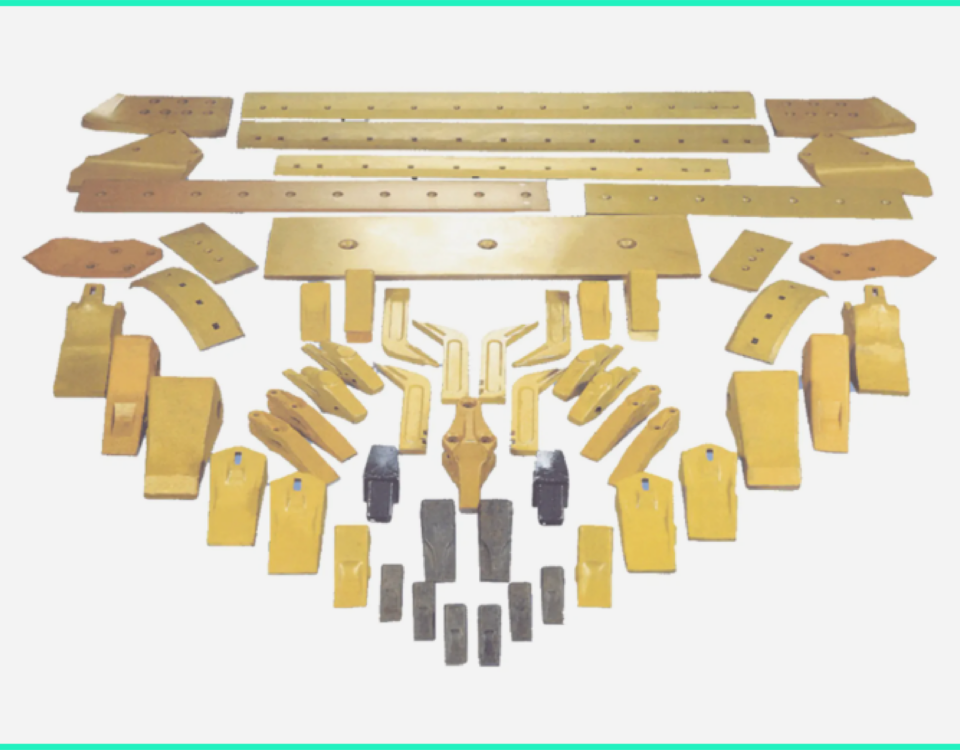
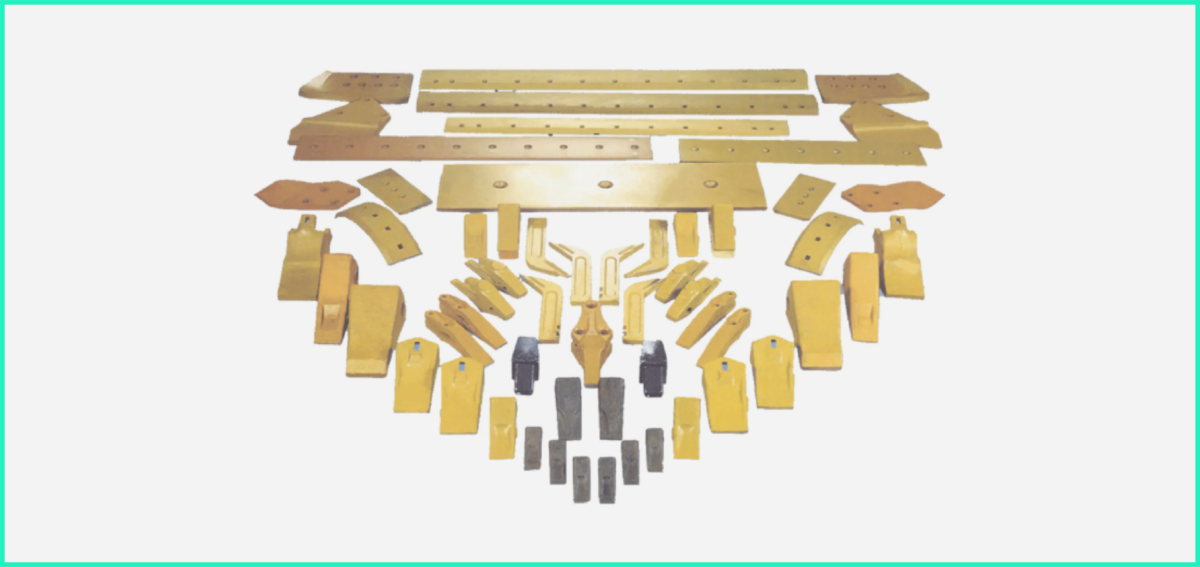
Our product portfolio includes engine components, powertrain parts, hydraulic components, undercarriage, filters, seals, GET (Ground Engaging Tools), and hydraulic breaker spare parts for a wide range of heavy equipment applications. We also supply selected product lines from trusted manufacturers such as FP Diesel, supporting customers who require reliable aftermarket engine components for construction, mining, quarrying, and industrial equipment.
Customers choose Super Parts for:
Extensive inventory availability, sourced from reputable global manufacturers; warranty-backed coverage on selected aftermarket product lines; fast delivery across the UAE; technical parts identification support; and competitive pricing without compromising on quality standards.
By helping customers identify and source the correct replacement parts quickly, Super Parts supports equipment uptime and helps fleets avoid unnecessary delays.
Conclusion
Aftermarket heavy equipment spare parts are a practical, cost-effective solution for keeping machinery running across the UAE’s demanding industries. The key to getting real value lies in identifying suppliers who prioritize material quality, engineering precision, and warranty support. With the right sourcing approach, buyers and procurement managers can reduce costs while maintaining the reliability their operations depend on.
Looking for dependable aftermarket spare parts in the UAE? Super Parts supplies a wide range of heavy equipment components backed by quality sourcing and warranty support, helping businesses keep their machines operating at peak performance. Contact us today to discuss your spare parts requirements and get expert assistance finding the right components for your fleet.
FAQ
1. What is the difference between genuine and aftermarket heavy equipment spare parts?
Genuine parts are supplied through the original equipment manufacturer (OEM), while aftermarket parts are produced by independent manufacturers designed to fit and perform in the same equipment applications. High-quality aftermarket parts can provide reliable performance when sourced from reputable suppliers.
2. Are aftermarket spare parts suitable for CAT® and Komatsu® equipment?
Quality aftermarket parts are widely used for CAT®, Komatsu®, Volvo®, JCB®, Hitachi®, Hyundai®, Doosan®, and other heavy equipment brands. The key is sourcing components from trusted manufacturers that maintain consistent quality standards and proper engineering tolerances.
3. How can I identify reliable aftermarket heavy equipment spare parts?
Look for suppliers with a proven track record, warranty-backed products, reputable manufacturing sources, proper packaging, quality control procedures, and technical support. Reliable suppliers should also be able to assist with part number verification and application matching.
4. Why is warranty important when purchasing aftermarket parts?
Warranty coverage provides additional confidence that the supplier stands behind the product’s quality and performance. It also helps reduce procurement risk and provides protection against manufacturing defects on eligible components.
5. What heavy equipment parts are commonly purchased from the aftermarket?
Engine components, hydraulic parts, undercarriage systems, filters, seals, bearings, powertrain components, GET (Ground Engaging Tools), and hydraulic breaker spare parts are among the most sourced aftermarket products.
6. How can I avoid counterfeit heavy equipment spare parts?
Purchase from established suppliers, verify part numbers, check packaging quality, confirm manufacturer information, and avoid products that appear unusually cheap or are offered without warranty support.
7. Does Super Parts supply aftermarket spare parts throughout the UAE?
Yes. Super Parts supplies heavy equipment spare parts across the UAE and GCC region, supporting contractors, workshops, and fleet owners with technical parts identification and sourcing assistance.
8. Why choose Super Parts as your aftermarket spare parts supplier?
Super Parts offers quality aftermarket spare parts, warranty-backed product lines, technical support, extensive inventory, and fast delivery across the UAE. Our product range covers engine, hydraulic, undercarriage, GET, wear parts, and breaker spare parts for leading heavy equipment brands.