
Heavy machinery plays a critical role in industries such as construction, mining, agriculture, logistics, and manufacturing. Equipment like excavators, loaders, bulldozers, cranes, and generators rely heavily on high-performing engines to maintain productivity. However, engine failure is one of the most expensive and disruptive problems equipment owners and operators face. Unexpected downtime can delay projects, increase repair expenses, and reduce operational efficiency.
One of the most effective ways to prevent costly breakdowns is by investing in proper engine maintenance and using high-quality engine parts. Reliable spare parts help heavy machinery perform efficiently while extending engine life. Companies like Super Parts provide dependable solutions for machinery owners looking to maintain equipment performance and reduce operational risks.
Understanding Heavy Machinery Engine Systems
Heavy equipment engines are designed to handle extreme workloads and harsh operating conditions. These engines generate power through combustion processes that depend on precision, lubrication, cooling, and fuel efficiency. Every component inside the engine must work together correctly to ensure smooth operation.
How Heavy Equipment Engines Work
Heavy machinery engines convert fuel into mechanical energy. Components such as pistons, injectors, cylinders, turbochargers, and cooling systems operate continuously under pressure. If even one part becomes damaged or worn out, the entire system can suffer.
Modern machines rely on advanced industrial engine parts that improve fuel efficiency, reduce emissions, and maintain power output. Since these machines often operate for long hours in demanding environments, regular inspections become essential.
Importance of Industrial Engine Components
Industrial machinery engines contain multiple interconnected systems. Air intake systems, lubrication systems, cooling systems, and fuel injection systems all depend on durable industrial engine components to function properly. Weak or damaged parts can reduce engine efficiency and eventually cause severe mechanical failure.
Using quality replacement parts helps maintain engine reliability and minimizes the chances of sudden breakdowns.
Why Regular Engine Maintenance Matters
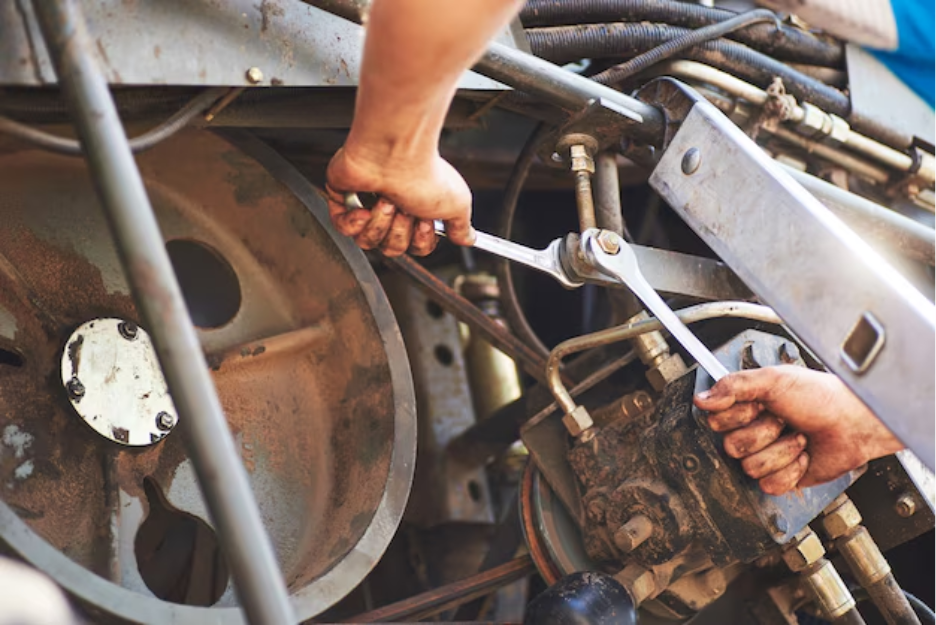
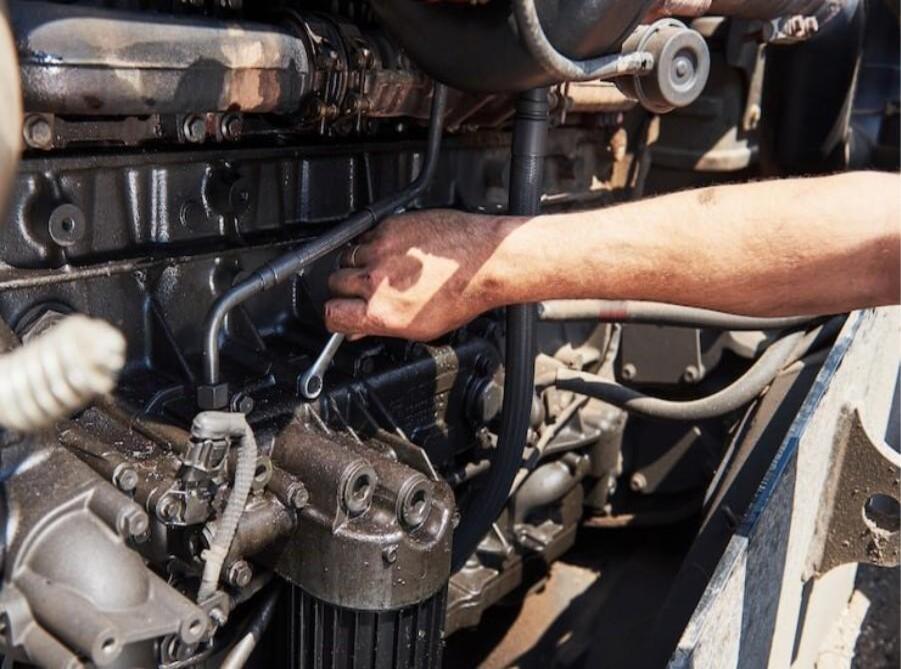
Routine engine maintenance helps identify small issues before they become major problems. Scheduled inspections allow operators and mechanics to replace worn-out components early, improving machine performance and reducing downtime.
Simple practices like changing filters, monitoring oil levels, and inspecting cooling systems can significantly extend engine life.
Common Causes of Engine Damage in Heavy Machinery
Heavy equipment engines face constant stress. Several factors contribute to engine wear and failure over time.
Poor Lubrication and Oil Contamination
Lubrication is essential for reducing friction between moving parts. When oil levels are low or contaminated, engine components experience excessive wear. Dirty oil may contain metal particles, dirt, or sludge that damage internal systems.
Insufficient lubrication often leads to overheating, piston damage, bearing failure, and reduced engine efficiency. Replacing damaged engine repair parts after lubrication failure can be extremely costly.
Overheating Due to Cooling System Failure
Engines generate intense heat during operation. Cooling systems regulate temperature and prevent overheating. If radiators, water pumps, thermostats, or coolant hoses fail, engine temperatures rise rapidly.
Persistent overheating can crack engine blocks, damage head gaskets, and warp cylinders. Operators should regularly inspect cooling system components and replace faulty parts immediately.
Dust, Dirt, and Debris Contamination
Heavy machinery frequently operates in dusty environments such as construction sites, mining zones, and agricultural fields. Dust and debris can enter the engine through damaged filters or poor sealing systems.
Contaminants damage internal components and reduce airflow efficiency. Clean air filters and regular maintenance are necessary to protect diesel engine parts from premature wear.
Fuel System Problems and Low-Quality Fuel
Fuel quality directly impacts engine performance. Contaminated or low-grade fuel can clog injectors, damage pumps, and reduce combustion efficiency. Water contamination inside the fuel system may also lead to corrosion.
Using quality fuel and regularly servicing the fuel system helps protect sensitive automotive engine parts used in heavy equipment engines.
Delayed Replacement of Worn Engine Parts
Ignoring damaged components often causes larger mechanical failures. Small issues like worn bearings, leaking seals, or damaged injectors can eventually affect the entire engine system.
Many equipment owners delay repairs to save money, but this approach often results in higher repair costs later. It is always more cost-effective to replace worn engine parts early.
Excessive Load and Operator Negligence
Heavy machinery engines are designed for specific load capacities. Continuous overloading places excessive stress on engine systems and accelerates wear.
Improper operation, poor driving habits, and lack of routine inspections also contribute to engine damage. Operator training is essential for maintaining machinery performance.
Warning Signs of Engine Damage You Should Never Ignore
Recognizing early warning signs can help prevent complete engine failure.
- Unusual Engine Noise: Knocking, grinding, or rattling sounds often indicate internal damage. These noises may result from worn bearings, damaged pistons, or lubrication issues.
- Excessive Exhaust Smoke: Black, blue, or white smoke from the exhaust usually signals combustion problems, oil leakage, or fuel system issues. Smoke should never be ignored because it often points to failing diesel engine parts.
- Loss of Power and Reduced Efficiency: Engines that struggle under normal workloads may have injector problems, air intake issues, or worn components. Reduced power output often indicates declining engine health.
- Oil Leaks and High Oil Consumption: Frequent oil loss may result from damaged seals, worn gaskets, or cracked components. Oil leaks can quickly lead to lubrication failure if left unresolved.
- Frequent Engine Overheating: Repeated overheating is a serious issue that may damage critical engine systems. Operators should stop machinery immediately if temperature levels rise abnormally.
Role of Spare Parts in Preventing Engine Failure
High-quality spare parts are essential for protecting heavy machinery engines from costly damage.
Importance of Genuine Diesel Engine Parts
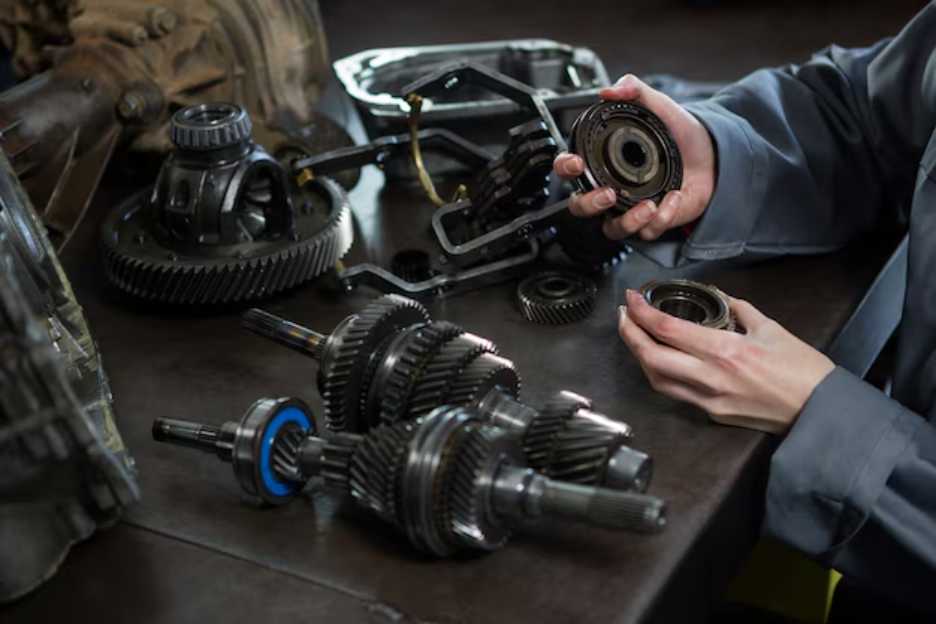
Reliable diesel engine parts improve engine durability, fuel efficiency, and overall performance. Genuine or high-quality replacement parts are designed to meet manufacturer specifications, ensuring proper compatibility and reliability.
Low-quality components may fail quickly and create additional mechanical issues.
How Quality Engine Repair Parts Improve Performance
Replacing damaged components with dependable engine repair parts helps restore engine performance and efficiency. Properly functioning parts reduce friction, improve combustion, and maintain cooling system effectiveness.
This not only prevents breakdowns but also increases equipment productivity.
Benefits of Replacing Damaged Components Early
Early replacement of worn parts prevents secondary damage to surrounding systems. For example, replacing a failing water pump can prevent overheating and protect the engine block from severe damage.
Preventive repairs are always more affordable than complete engine rebuilds.
OEM vs Aftermarket Engine Parts
Equipment owners often choose between OEM and aftermarket components. OEM parts provide guaranteed compatibility, while quality aftermarket options may offer cost savings without compromising reliability.
The key is sourcing parts from trusted suppliers that maintain high manufacturing standards.
Essential Engine Parts That Need Regular Inspection
Certain components require more frequent monitoring due to constant wear.
- Air Filters and Fuel Filters: Filters protect engines from contaminants. Dirty filters reduce airflow and fuel efficiency, forcing engines to work harder.
- Pistons, Rings, and Cylinders: These components are critical for combustion and power generation. Excessive wear can reduce compression and increase oil consumption.
- Turbochargers and Injectors: Turbochargers improve engine performance, while injectors regulate fuel delivery. Faulty injectors can lead to poor combustion and reduced power output.
- Gaskets, Bearings, and Seals: These small components play a major role in preventing leaks and maintaining lubrication pressure.
- Cooling System Components: Radiators, hoses, thermostats, and water pumps must function properly to prevent overheating.
Best Practices for Engine Maintenance in Heavy Machinery
Proper maintenance significantly reduces the risk of engine failure.
- Follow Preventive Maintenance Schedules: Routine servicing helps identify issues before they escalate. Maintenance schedules should include oil changes, filter replacements, and cooling system inspections.
- Use High-Quality Lubricants and Fuel: Quality lubricants reduce wear and improve engine efficiency. Clean fuel protects injectors and combustion systems from contamination.
- Inspect Industrial Engine Components Regularly: Frequent inspections help operators detect leaks, unusual noises, or damaged components early.
- Train Operators on Proper Equipment Usage: Well-trained operators are less likely to overload machinery or ignore warning signs.
- Source Reliable Spare Parts from Trusted Suppliers: Businesses looking to buy engine parts should work with trusted suppliers that offer durable and reliable products for heavy equipment applications.
Why Choose Super Parts for Heavy Machinery Spare Parts
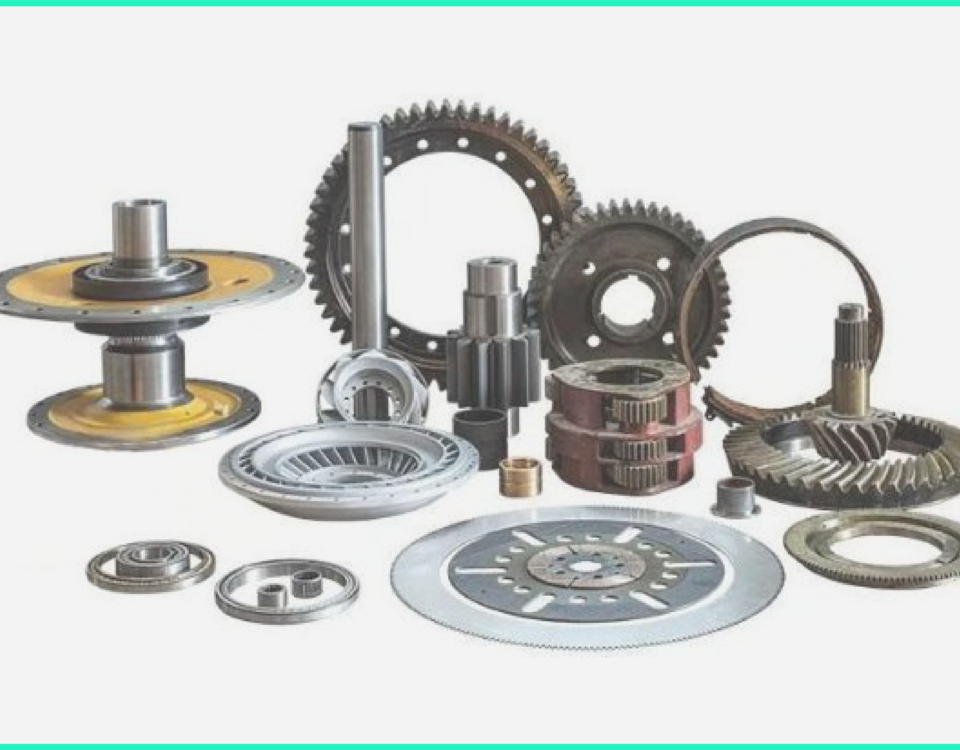
Super Parts offers a wide range of quality spare parts for heavy machinery engines. From industrial engine components to engine repair parts, the company supports machinery owners with reliable solutions designed for performance and durability.
Whether businesses need diesel engine parts, cooling system components, or automotive engine parts for heavy-duty applications, choosing dependable suppliers helps reduce downtime and maintain operational efficiency.
Conclusion
Engine damage in heavy machinery can lead to costly repairs, project delays, and reduced productivity. Common causes such as poor lubrication, overheating, contaminated fuel, and delayed maintenance often result in serious mechanical failures.
Preventive maintenance and timely replacement of worn engine parts are essential for extending machinery lifespan and improving operational reliability. Investing in quality spare parts helps businesses reduce downtime, improve efficiency, and protect valuable equipment.
For high-quality diesel engine parts, industrial engine components, and reliable engine repair solutions, contact Super Parts today and get expert support for your heavy machinery maintenance needs.
FAQ
1. What are the most common causes of engine damage in heavy machinery?
Poor lubrication, overheating, contaminated fuel, and delayed maintenance are some of the most common causes of engine damage.
2. Why is regular engine maintenance important for heavy equipment?
Regular engine maintenance helps prevent breakdowns, improves performance, and extends the lifespan of machinery.
3. How do quality engine parts help prevent engine failure?
High-quality engine parts improve reliability, reduce wear, and help engines operate efficiently under heavy workloads.
4. When should diesel engine parts be replaced?
Diesel engine parts should be replaced when they show signs of wear, reduced performance, leaks, or unusual engine behavior.
5. What should operators check regularly in heavy machinery engines?
Operators should regularly inspect oil levels, filters, cooling systems, fuel systems, and other critical industrial engine components.