
Heavy equipment depends on reliable hydraulic systems to perform essential operations such as lifting, digging, pushing, loading, and material handling. When a hydraulic component wears out or fails, choosing the right replacement is important for maintaining equipment performance and avoiding unnecessary downtime.
For equipment owners across the UAE and wider GCC, purchasing hydraulic replacement parts requires more than simply finding a component that looks similar to the original. Compatibility, specifications, quality, operating conditions, and supplier expertise all need to be considered before making a purchase.
Super Parts supports heavy machinery requirements with a range of spare parts, including hydraulic components, and serves customers across the UAE and Gulf region. Understanding what to check before purchasing can help equipment owners make more informed decisions when they need to buy hydraulic parts.
Why Choosing the Right Hydraulic Replacement Parts Matters
Hydraulic systems operate under pressure and are responsible for converting hydraulic power into controlled mechanical movement. Components such as hydraulic pumps, cylinders, hoses, fittings, and seals work together as part of the system.
If a replacement component is not suitable for the equipment, it may affect hydraulic performance or result in issues such as leakage, pressure loss, inefficient operation, or premature wear. For businesses that depend on heavy equipment for daily operations, these problems can lead to additional maintenance and downtime.
The right hydraulic replacement parts should therefore be selected according to the equipment’s specifications and application rather than based only on appearance or price.
Check Compatibility Before You Buy Hydraulic Parts
Compatibility should be one of the first things equipment owners check before ordering hydraulic components. Even parts that appear similar may have different dimensions, connections, pressure ratings, or configurations.
Identify the Equipment Make and Model
Start by identifying the exact machine that requires the replacement part. The equipment make, model, serial number, and application can help establish which component is appropriate.
If the original component has a part number, keep this information available when contacting a supplier. Providing accurate equipment information can make part identification easier and reduce the risk of ordering an unsuitable component.
Match Part Numbers and Specifications
Part numbers are useful when replacing hydraulic components because they can provide a direct reference to the original part. When a part number is unavailable, other specifications can help with identification.
Depending on the component, these may include:
- Dimensions
- Pressure requirements
- Flow requirements
- Port and connection type
- Mounting specifications
- Component configuration
- Equipment model and application
Before purchasing, equipment owners should verify these details rather than relying on a general description such as “hydraulic pump” or “hydraulic cylinder.”
Consider the Hydraulic System Requirements
A hydraulic component does not work independently. It forms part of a complete hydraulic system, so its specifications need to be suitable for the other components.
For example, a hydraulic pump needs to deliver the appropriate flow and pressure for the system. A hydraulic cylinder must be suitable for the machine’s required movement and load. Hoses and fittings must also be compatible with the system’s operating conditions.
Taking the complete hydraulic system into account can help prevent compatibility problems after installation.
Evaluate the Quality of Hydraulic Replacement Parts
Quality is another important factor when purchasing hydraulic replacement parts for heavy equipment. Hydraulic components can be exposed to pressure, vibration, friction, dust, heat, and demanding workloads.
A suitable replacement should meet the requirements of the equipment and its application. Equipment owners should consider the component’s materials, manufacturing quality, specifications, and expected service requirements.
Super Parts focuses on supplying heavy machinery spare parts through established sourcing channels and offers hydraulic components for different equipment requirements. Its product range includes hydraulic pumps, cylinders, hoses, fittings, and seals.
Rather than choosing a replacement based only on the lowest price, equipment owners should consider the overall suitability and quality of the component.
Choosing the Right Hydraulic Cylinder Components
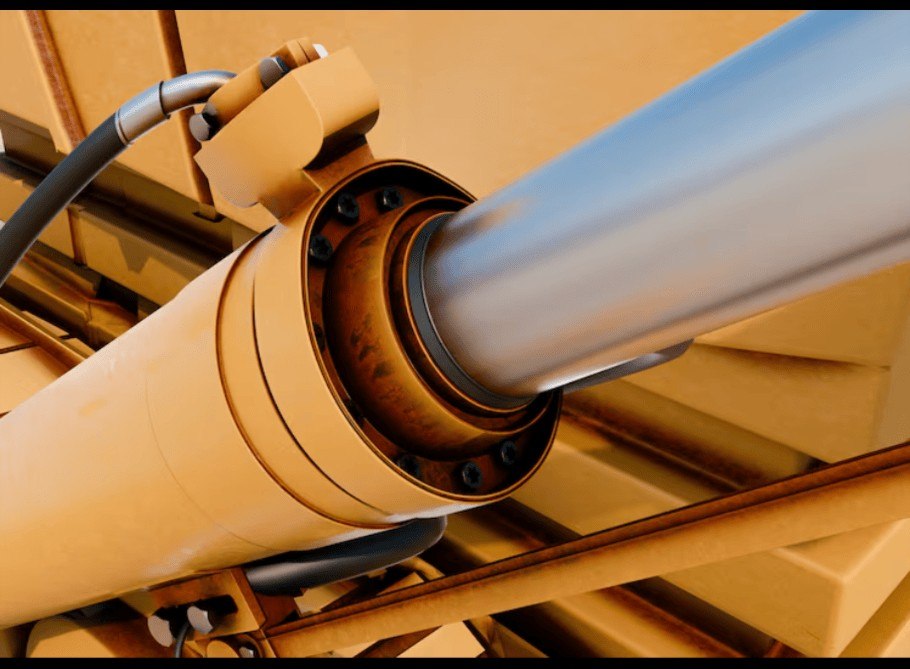
Hydraulic cylinders play an important role in heavy machinery by converting hydraulic pressure into mechanical force. They are commonly involved in lifting, pushing, pulling, and controlled movement.
When a cylinder component needs to be replaced, the replacement needs to match the cylinder and the machine in which it is installed.
Hydraulic Cylinder Piston UAE Requirements
For businesses searching for a hydraulic cylinder piston UAE suppliers can provide, compatibility should be carefully checked before purchasing.
The piston needs to correspond with the cylinder’s design and dimensions. Equipment owners should provide relevant information about the existing cylinder and machinery so the appropriate component can be identified.
Important information may include the equipment model, cylinder specifications, dimensions, existing part number, and intended application.
The same approach applies across the GCC. Whether machinery is operating in the UAE, Saudi Arabia, Qatar, Oman, Kuwait, or Bahrain, replacement components should be selected according to the actual equipment and working requirements.
Inspect Related Cylinder Components
When a hydraulic cylinder requires repair, it can also be useful to inspect related components. Depending on the condition of the system, seals, rods, hoses, fittings, and other connected parts may require attention.
Replacing one damaged component without identifying the underlying issue may result in repeated maintenance. A complete assessment can help equipment owners determine whether additional hydraulic parts should also be replaced.
Consider the Operating Environment Across the GCC
Heavy equipment operating across the GCC can face demanding working conditions. Construction, mining, agriculture, logistics, and industrial applications can expose machinery to high temperatures, dust, heavy workloads, and extended operating periods.
These conditions make proper component selection especially important.
Before purchasing hydraulic replacement parts, equipment owners should consider:
- The type of equipment
- Frequency of operation
- Hydraulic pressure and flow requirements
- Workload and application
- Environmental exposure
- Maintenance requirements
- Expected operating conditions
A hydraulic component that is suitable for one machine or application may not necessarily be appropriate for another. The replacement should always be evaluated according to the equipment’s actual requirements.
What to Look for in a Machinery Spare Parts Supplier
Selecting the right supplier can simplify the process of sourcing hydraulic and other machinery spare parts. Equipment owners should look for a supplier that understands heavy machinery applications and can provide accurate information about component suitability.
A reliable supplier should ideally offer:
- A relevant range of machinery spare parts
- Hydraulic component options
- Assistance with part identification
- Clear product specifications
- Quality-focused sourcing
- Knowledge of heavy equipment applications
- Support for customers across the relevant market
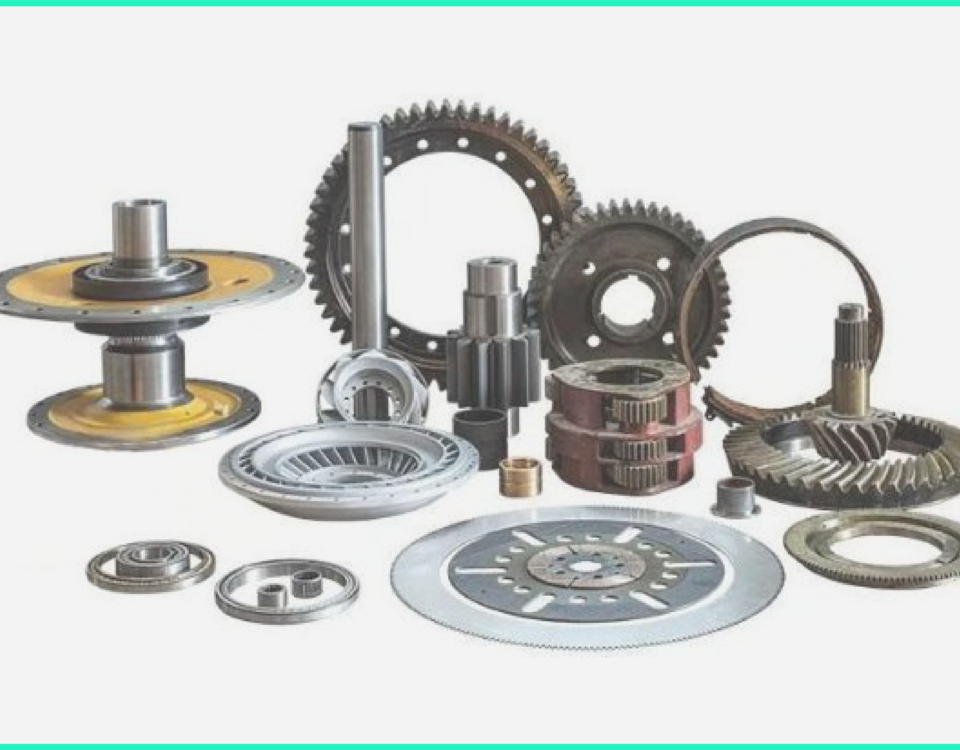
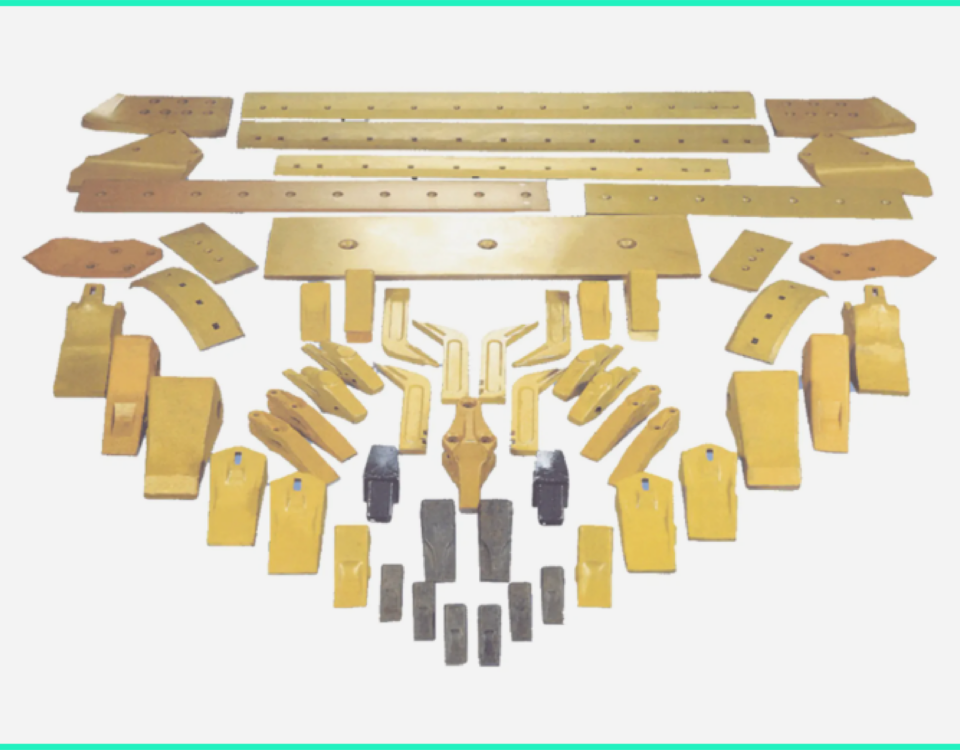
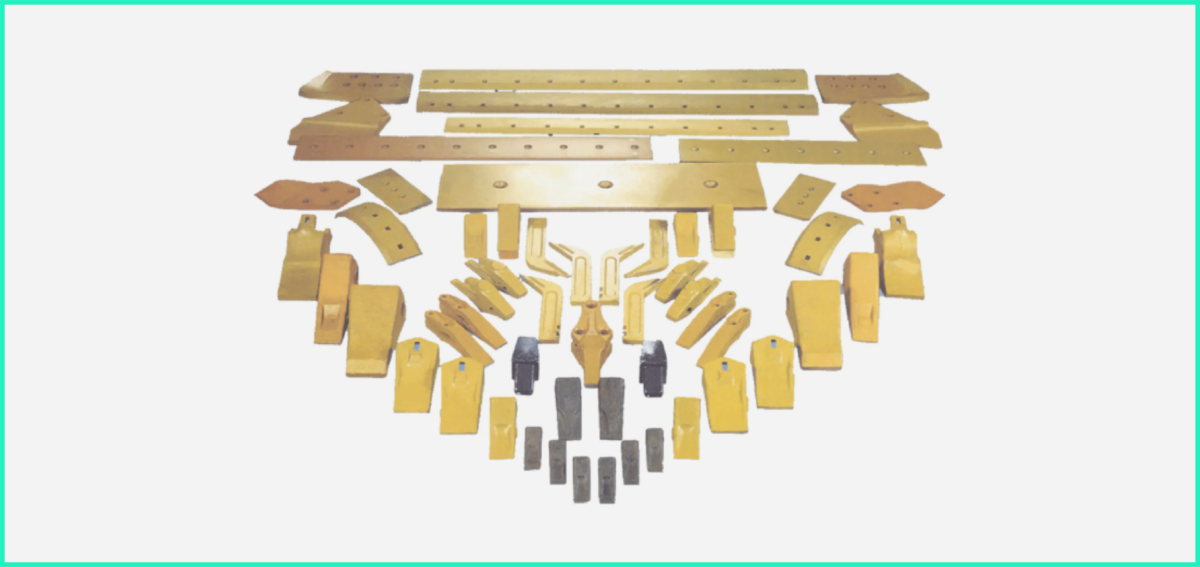
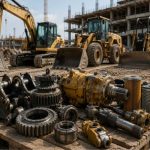
Super Parts is based in the UAE and serves customers across the Gulf region. Its product range covers areas including hydraulic parts, engine parts, transmission components, ground-engaging tools, and undercarriage components.
For equipment owners, having access to different categories of spare parts through an experienced supplier can make maintenance and replacement planning more straightforward.
Common Mistakes to Avoid When Buying Hydraulic Replacement Parts
Choosing Based Only on Price
Price is an important consideration, but it should not be the only deciding factor. Choosing a cheaper component without confirming its compatibility and quality can result in premature wear, poor performance, or another replacement.
The better approach is to compare the cost with the part’s suitability, quality, and expected performance.
Ignoring Part Numbers and Specifications
Ordering a hydraulic component without checking its part number or technical specifications can increase the risk of receiving the wrong part.
Where possible, equipment owners should provide the original part number along with the equipment make, model, and other relevant details.
Failing to Consider the Application
The application of the equipment matters when selecting replacement parts. Heavy machinery used for construction may experience different operating demands from agricultural, mining, logistics, or industrial equipment.
The replacement component should therefore be selected according to the machine’s workload and operating environment.
A Practical Approach to Buying Hydraulic Replacement Parts
Equipment owners can follow a simple process when they need to buy hydraulic parts:
- Identify the equipment: Record the make, model, serial number, and application.
- Identify the component: Determine whether the requirement is for a hydraulic cylinder, pump, hose, fitting, seal, or another part.
- Check the original part: Record the part number and available specifications.
- Confirm compatibility: Compare dimensions, connections, pressure, flow, and other relevant requirements.
- Evaluate quality: Consider the component’s materials, manufacturing quality, and suitability.
- Discuss the requirement: Share complete equipment and part information with the supplier.
- Consider operating conditions: Make sure the component is appropriate for the machine’s environment and workload.
- Verify before installation: Confirm that the supplied component matches the required specifications.
Following these steps can help reduce errors when sourcing replacement components and make the purchasing process more efficient.
Why Choose Super Parts for Heavy Machinery Spare Parts?
Super Parts is a UAE-based supplier of heavy machinery spare parts serving customers across the Gulf region. The company supports industries and applications that rely on heavy equipment and provides different categories of spare parts.
Its range includes hydraulic components such as pumps, cylinders, hoses, fittings, and seals, alongside other machinery spare parts.
Super Parts also highlights its sourcing network and quality-focused approach to supplying replacement components. For equipment owners looking for hydraulic replacement parts, having access to a supplier with knowledge of heavy machinery and a range of component categories can support more informed purchasing decisions.
When requesting a replacement part, customers should provide as much information as possible about their equipment and existing component. This helps ensure the requirement can be assessed accurately.
Conclusion
Choosing the right hydraulic replacement parts starts with checking compatibility, specifications, quality, and the equipment’s operating conditions. The right component can support reliable performance and help avoid unnecessary downtime.
For hydraulic cylinders, pistons, pumps, hoses, fittings, seals, and other machinery spare parts, contact Super Parts with your equipment details to find a suitable replacement for your requirements across the UAE and GCC.
FAQ
1. What should I check before buying hydraulic replacement parts?
Check the equipment make and model, serial number, original part number, dimensions, connections, pressure requirements, and intended application. These details can help determine whether a replacement component is suitable.
2. Where can I buy hydraulic parts for heavy equipment?
Look for a supplier with experience in heavy machinery, a suitable hydraulic product range, quality-focused sourcing, and support for part identification. Super Parts supplies hydraulic and other machinery spare parts to customers across the UAE and Gulf region.
3. What should I consider when buying a hydraulic cylinder piston in the UAE?
Check the piston dimensions, cylinder specifications, equipment model, part number, operating requirements, and intended application. Providing complete information to the supplier can help with accurate component selection.
4. Why is compatibility important when selecting machinery spare parts?
Hydraulic components need to work correctly with the equipment’s existing system. An incompatible part may affect fit, pressure, fluid flow, or overall hydraulic performance.
5. How can I choose quality hydraulic replacement parts?
Compare the component’s specifications, material and manufacturing quality, application suitability, and supplier sourcing practices. Avoid selecting a part based solely on price and confirm that it meets the equipment’s requirements.