


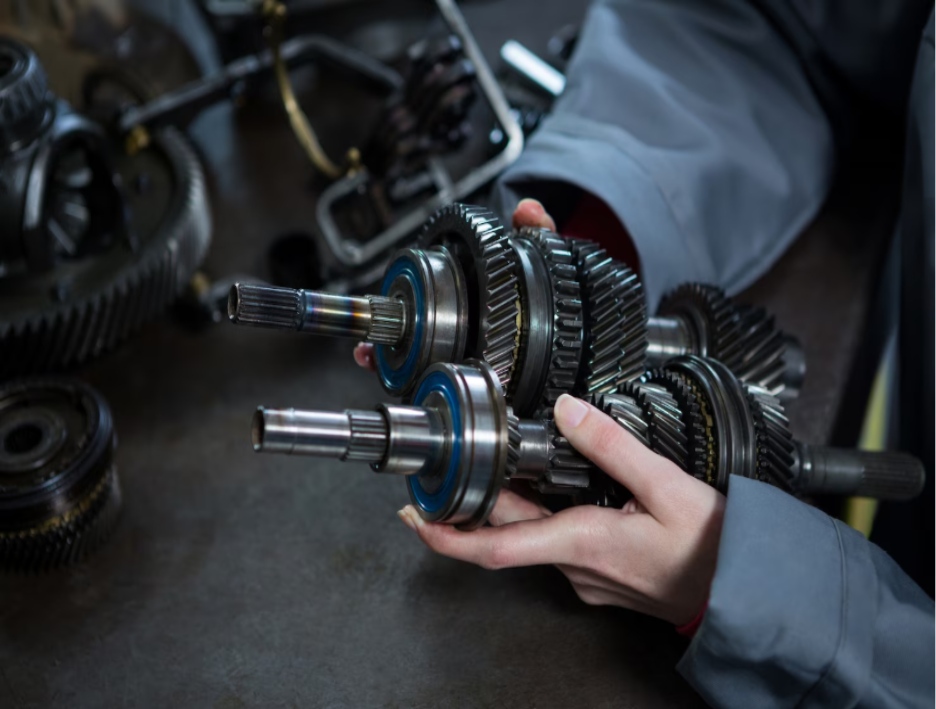
Quality control in heavy equipment spare parts manufacturing plays a crucial role in ensuring that every component performs reliably under the most demanding industrial conditions. From hydraulic cylinders to precision-engineered gears, each part must meet strict standards of durability, consistency, and safety. That’s why rigorous QC systems are essential not just for compliance, but for protecting long-term equipment performance.
Reliable suppliers like Super Parts follow structured quality assurance procedures to verify material integrity, dimensional accuracy, and performance reliability. In industries such as mining, construction, and logistics, even one faulty part can disrupt workflows, cause downtime, or compromise safety standards.
What “Quality Control” Really Means in Heavy Equipment Manufacturing
In spare parts production, quality control (QC) refers to systematic inspection, testing, and verification processes applied throughout manufacturing. It ensures parts conform to design specifications, material standards, and performance expectations before they reach end users. QC teams evaluate every stage from raw material sourcing to machining and final packaging against defined benchmarks.
How Precision and Consistency Define Equipment Reliability
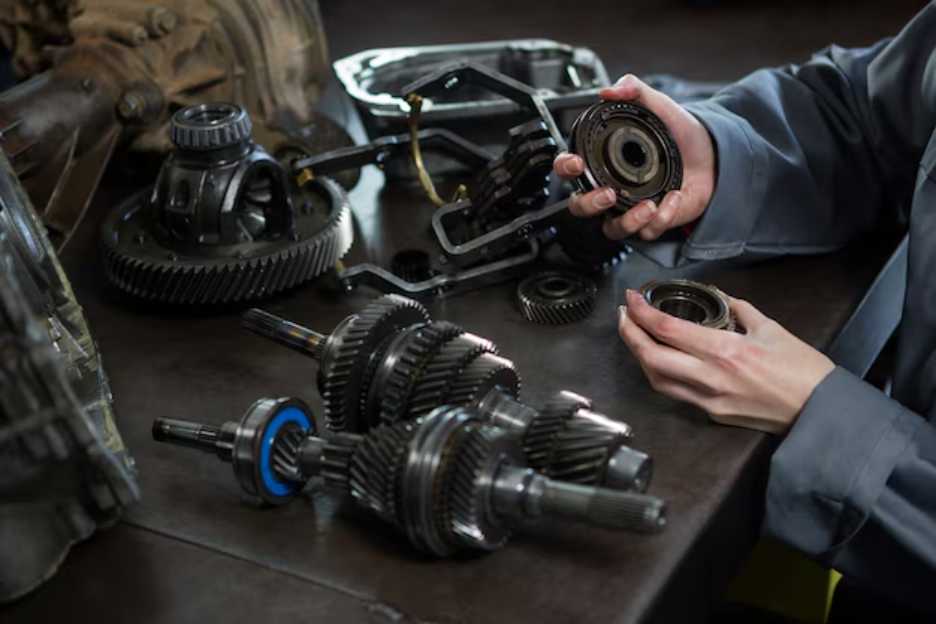
Precision in machine tolerance and consistency in material quality are key to operational reliability. A slight deviation in component dimensions can affect assembly fit, lead to premature wear, or cause hydraulic leaks. Maintaining these tolerances demands modern CNC equipment, skilled technicians, and robust process control systems.
Common Quality Issues in Spare Parts Manufacturing
While the demand for replacement parts continues to grow, not all suppliers follow rigorous QC practices. Substandard production can introduce several risks.
Material Inconsistencies and Substandard Alloys
Inferior alloys or unverified raw materials often fail to meet strength or hardness specifications. Such inconsistencies reduce resistance to heat, pressure, and corrosion—ultimately shortening the part’s life span. These issues are especially critical in heavy equipment undercarriage parts, where constant exposure to friction, shock loads, and abrasive conditions demands exceptional material integrity.
Poor Machining and Tolerance Mismatches
Without proper calibration and inspection, machining errors such as burrs, uneven surfaces, or tolerance mismatches can occur. These flaws increase vibration, energy loss, and potential damage to adjoining components.
Counterfeit or Uncertified Components
The presence of counterfeit parts in the global supply chain has become a major concern. These products may mimic genuine components but lack proper certification, traceability, and quality assurance documentation, causing severe risks to equipment safety.
The Quality Control Process in Heavy Equipment Spare Parts
A structured QC system combines several stages to ensure compliance and reliability.
| Stage | Purpose | Typical Activities |
| Supplier Audits | Validate quality at source | Material certification review, supplier capability checks |
| In-Process Inspection | Detect issues early | Dimensional checks, hardness testing, surface finish analysis |
| Final Inspection | Verify readiness for shipment | Visual inspection, fit tests, traceability tagging |
| Packaging & Traceability | Ensure part protection and identification | Barcode labeling, protective coatings, serialized documentation |
Supplier Audits and Raw Material Verification
Supplier audits confirm that raw materials meet ISO-certified standards. Quality teams verify batch consistency, test reports, and compliance with industry specifications before materials enter production.
In-Process Inspections and Testing Protocols
During machining, random and scheduled inspections identify defects immediately. These include hardness testing, coordinate measuring machine (CMM) verification, and ultrasonic or magnetic particle inspection (MPI) for internal flaws.
Final Inspection, Packaging, and Traceability
Before shipment, every component undergoes a final round of dimensional and surface checks. Proper packaging prevents corrosion and damage during transport, while traceability codes maintain accountability across the supply chain.
Material Quality and Durability Testing
Durability is directly linked to material integrity and design validation. Comprehensive testing helps predict performance in real-world conditions.
Stress, Wear, and Performance Testing Explained
Spare parts used in heavy-duty applications undergo cyclic stress testing to simulate repetitive loads. Wear testing assesses how surfaces respond to friction, while fatigue testing evaluates long-term reliability under dynamic pressure.
Components such as hydraulic rams, which experience constant load cycles, are tested for stress endurance to ensure consistent pressure handling and leak-free operation. Explore our hydraulic ram solutions designed for durability and precision.
Role of Metallurgy and Surface Treatment in Longevity
Metallurgical analysis ensures uniform grain structure and chemical composition. Treatments such as heat hardening, anodizing, or coating enhance corrosion resistance and reduce friction of crucial components exposed to harsh environments.
Data-Driven QC Reports and Performance Benchmarking
Modern manufacturers generate digital QC reports that record inspection data, material traceability, and performance benchmarks. This documentation provides transparency, making it easier for customers to verify part authenticity and compliance.
How QC Impacts End-User Performance and Safety
Preventing Breakdowns and Downtime Through Better Parts
High-quality spare parts significantly reduce the risk of premature failure. By maintaining consistent tolerances and verified materials, QC-driven parts minimize unplanned maintenance and costly equipment downtime.
Long-Term Cost Savings for Fleet Owners
While cheaper components may seem cost-effective initially, their shorter lifespan often leads to frequent replacements. QC-certified parts may cost slightly more upfront but deliver greater long-term value through extended service intervals and reduced repair expenses.
Enhancing Safety Compliance and Operational Reliability
In sectors like mining or oil and gas, a single component failure can lead to severe safety hazards. Quality-controlled parts ensure compliance with occupational safety standards and safeguard both operators and machinery.
The Business Case for Investing in Quality Assurance
ROI of High-Quality Spare Parts
Quality assurance isn’t an expense, it’s an investment. Reliable spare parts contribute directly to productivity, uptime, and total cost of ownership (TCO). By reducing breakdown frequency and enhancing system efficiency, businesses achieve measurable ROI from their QC programs.
Reputation and Brand Value in the Industrial Market
Manufacturers and suppliers that consistently deliver compliant, durable parts earn stronger market credibility. Their reputation for reliability attracts long-term partnerships and trust from global clients who prioritize quality and compliance.
Conclusion
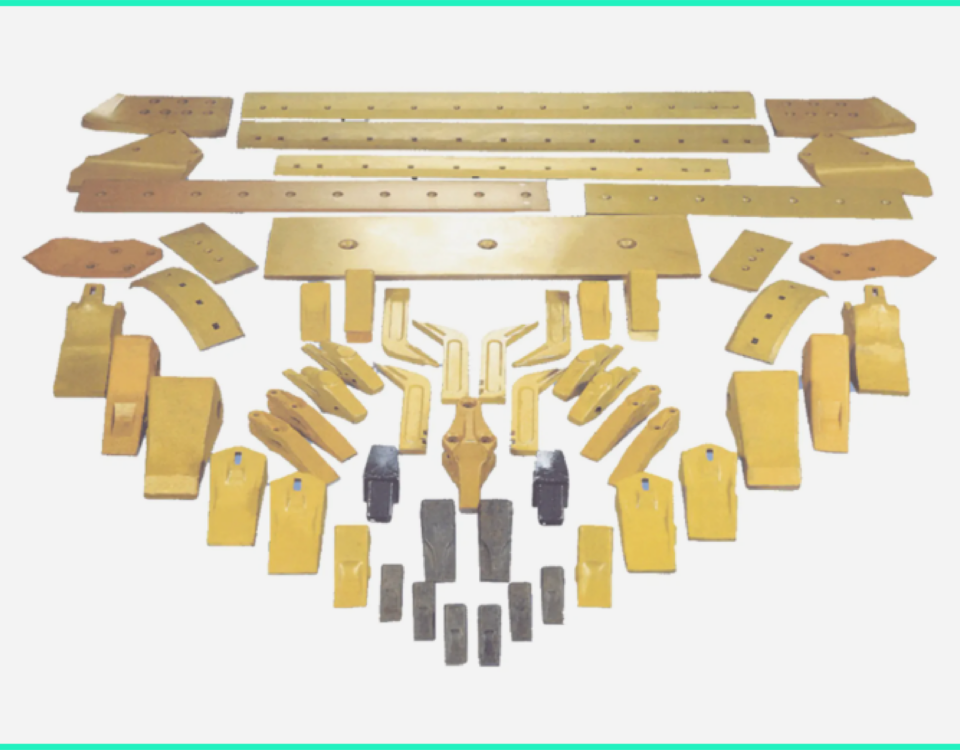
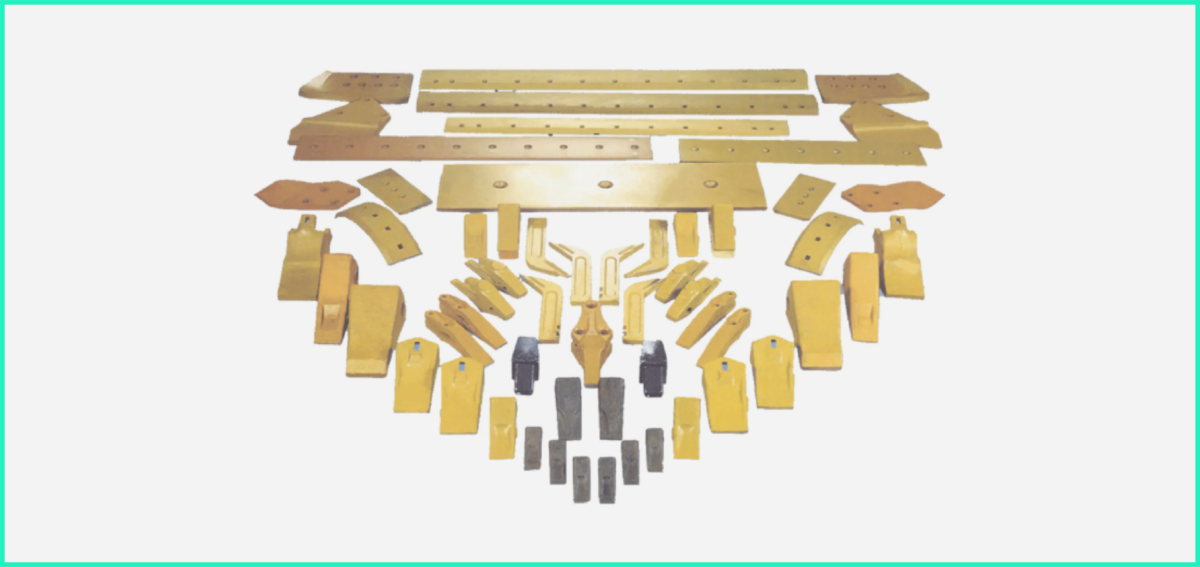
When selecting a supplier, prioritize those committed to innovation, sustainability, and proven engineering standards. These values are equally important in the design and application of Ground Engaging Tools, where durability, material quality, and precision directly influence long-term performance. Partnering with manufacturers who uphold strict quality control ensures that every part, whether used in construction, mining, or other heavy-duty applications, delivers reliable results, enhances operational safety, and extends equipment life.
FAQs – Spare Parts Manufacturing
Q1. What is quality control in heavy equipment spare parts manufacturing?
Quality control involves systematic inspection and testing at each production stage to ensure parts meet dimensional, material, and performance specifications.
Q2. How do supplier audits help maintain quality?
Audits verify that raw material sources and manufacturing partners comply with ISO and industry-specific standards, reducing the risk of nonconforming products.
Q3. Why are certified spare parts safer for heavy machinery?
Certified parts undergo rigorous testing and documentation, ensuring they can handle high stress, temperature, and pressure conditions safely.
Q4. What types of testing are common in spare parts of QC?
Testing includes hardness, tensile strength, fatigue, corrosion resistance, and dimensional accuracy evaluations.
Q5. How does QC affect the total cost of ownership (TCO)?
By reducing failures and downtime, quality-controlled parts extend machinery lifespan and lower long-term maintenance costs.